About Mario Puratić
Inventor of Puratic Power Block
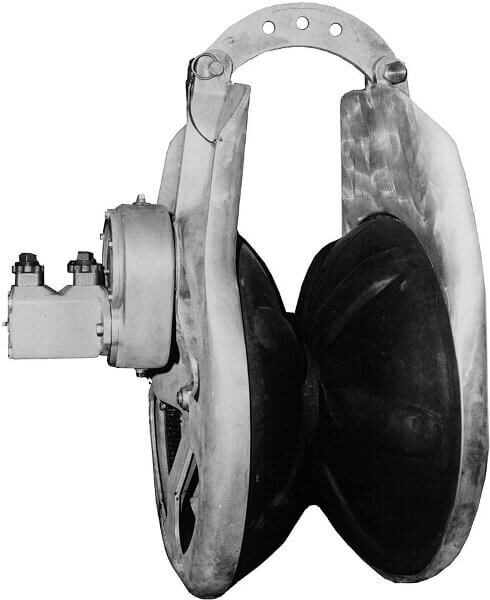
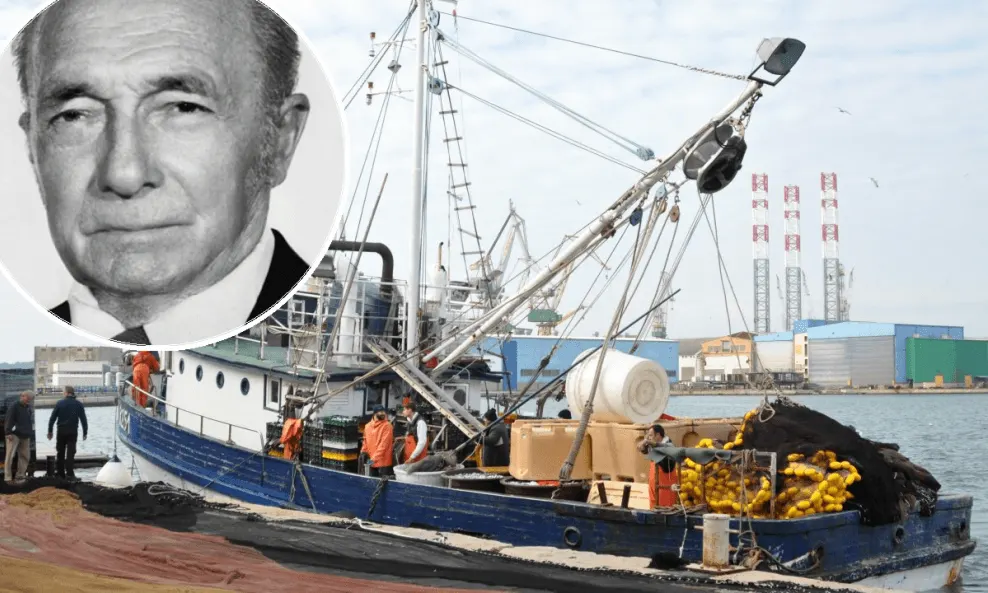
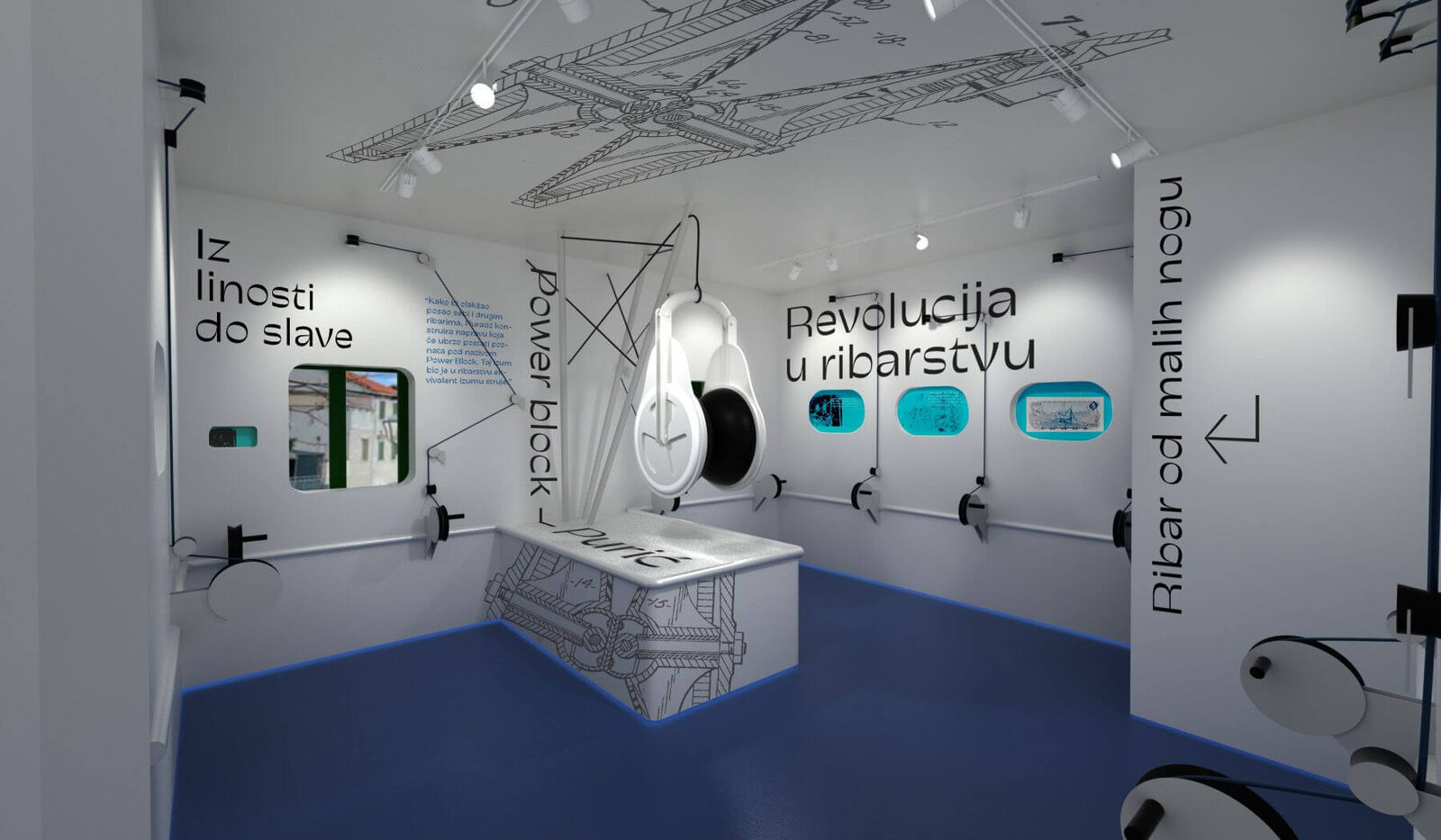
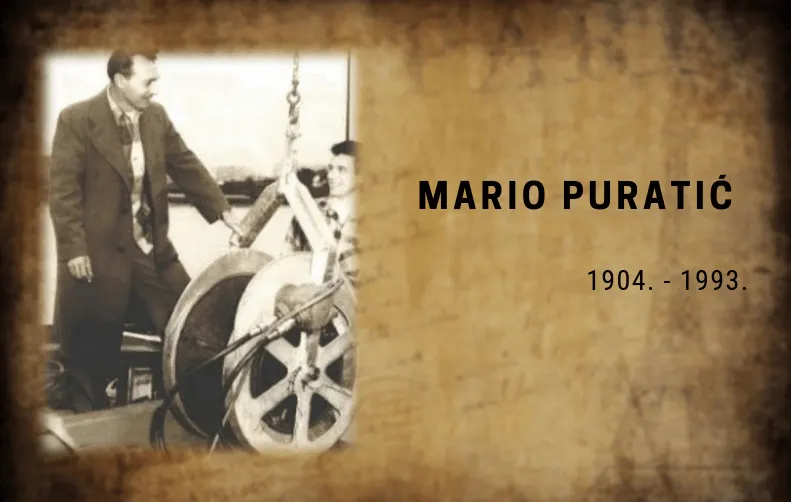
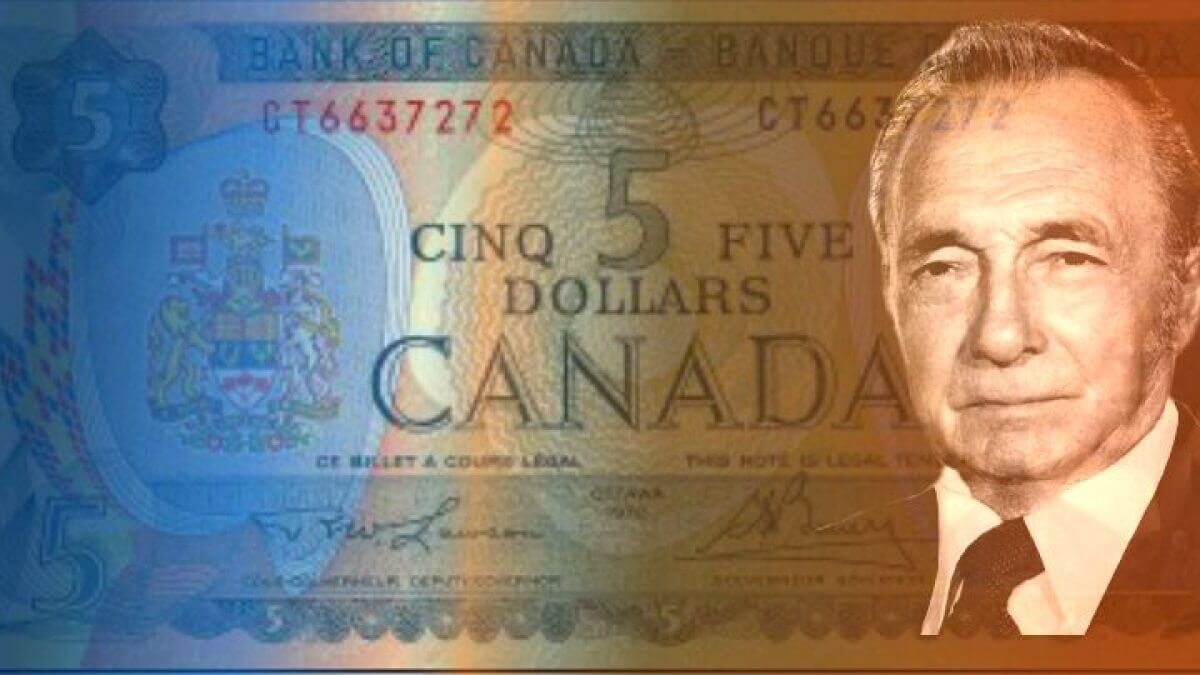
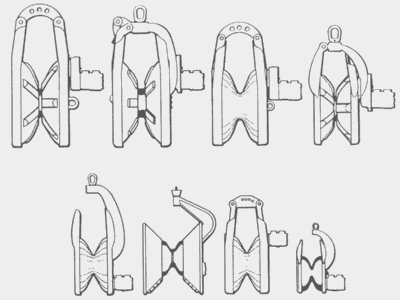
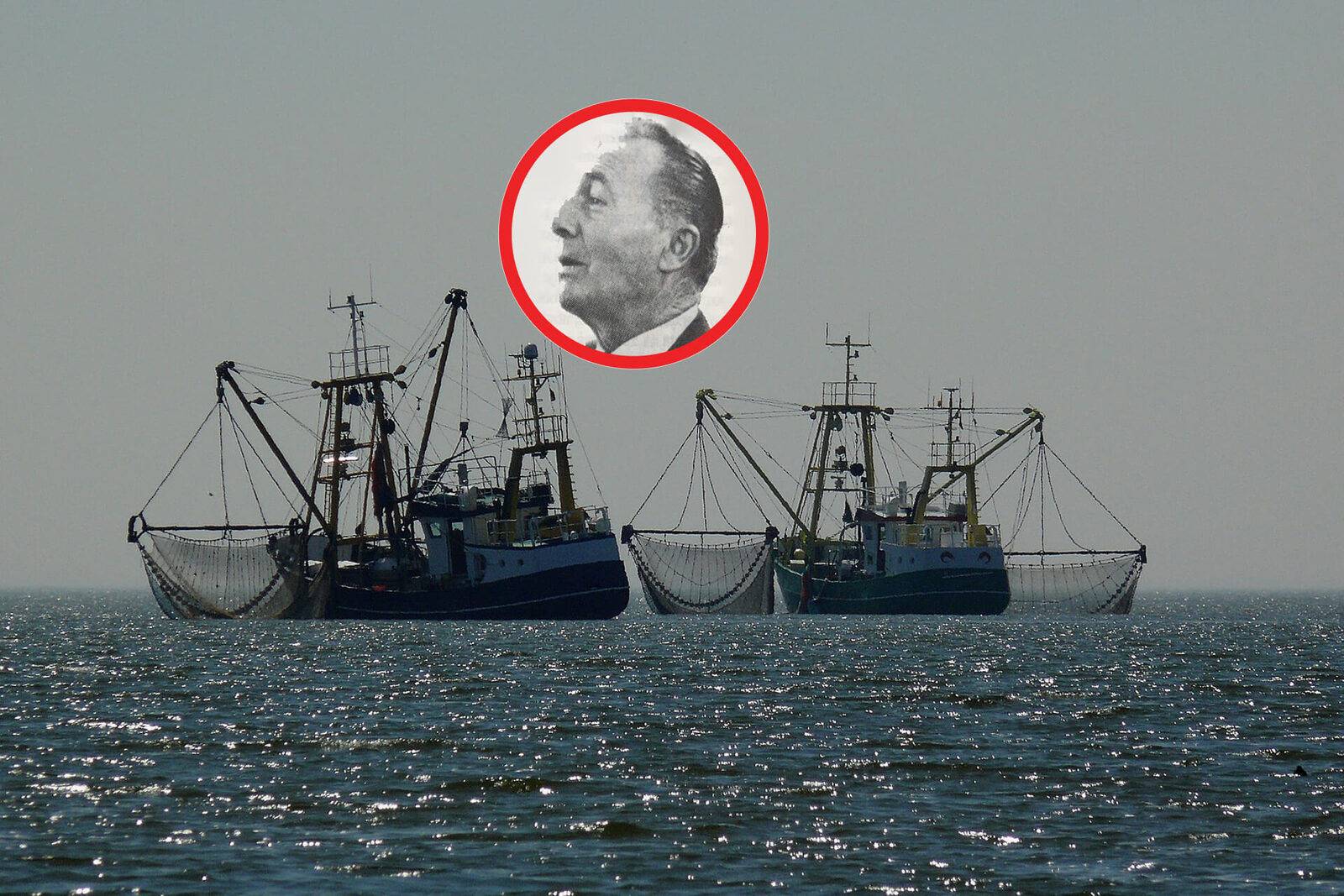
Mario Puratić (1904 - 1993) (usually spelled Puretic, and sometimes Puretich, in English) was an Austro-Hungarian Empire-born American inventor who made major advances in fishing technology, such as the Puretic power block. Puratić was born in 1904 in the town of Sumartin on the island of Brač in a Croatian family of farmers and fishermen. In 1938 he emigrated to the United States, worked at steel works and later in the harbour of Brooklyn. Looking for the open sea after World War II he moved to California, to San Pedro, where many people from Brač had moved to. He hired there on tuna fisher boats and trawlers. A good catch of fish, meant that many men were necessary to pull the net on board. Within a few months, during 1953 in San Pedro he invented the Puretic power block. A job which once needed 8 to 10 people could now equally quickly be done with only 5 or 6 people, but still no one was interested in the product. In 1955 the company Marco from Seattle, specialized in sea building and design, recognized the potential of his invention and its engineers produced a product for practical use called the Power Block. It has a form of evening pulley with aluminium skeleton and the central rotating element, often wrapped in hard rubber, which can work. Quality of the product was very quickly recognized and up until 1960, most fishing boats in the northern seine fleet had installed the power block. It made possible the renaissance of the moribund United States distant water tuna fleet, an event that put the United States into the forefront of the fishing world and has kept it there, helped by the adoption of synthetic fibers for netting. Due to his invention, Peru increased its fishing pelagic fish by 300 percent. The puretic power block revolutionized the fishing industry in such a way that FAO stated that no single invention has contributed more to the success of purse seine net hauling than extensive line of Power Blocks. In 1972 Canada issued a five-dollar bill with a salmon seiner on the reverse. In 1975, Mario Puratić was proclaimed the inventor of the year in the United States and also one among America's most famous 100 inventors of the 20th century.
About Sumartin
Small village on island Brač, Croatia
Sumartin
(Croatian pronunciation: [sûmartin], Previously known as Sv. Martin)
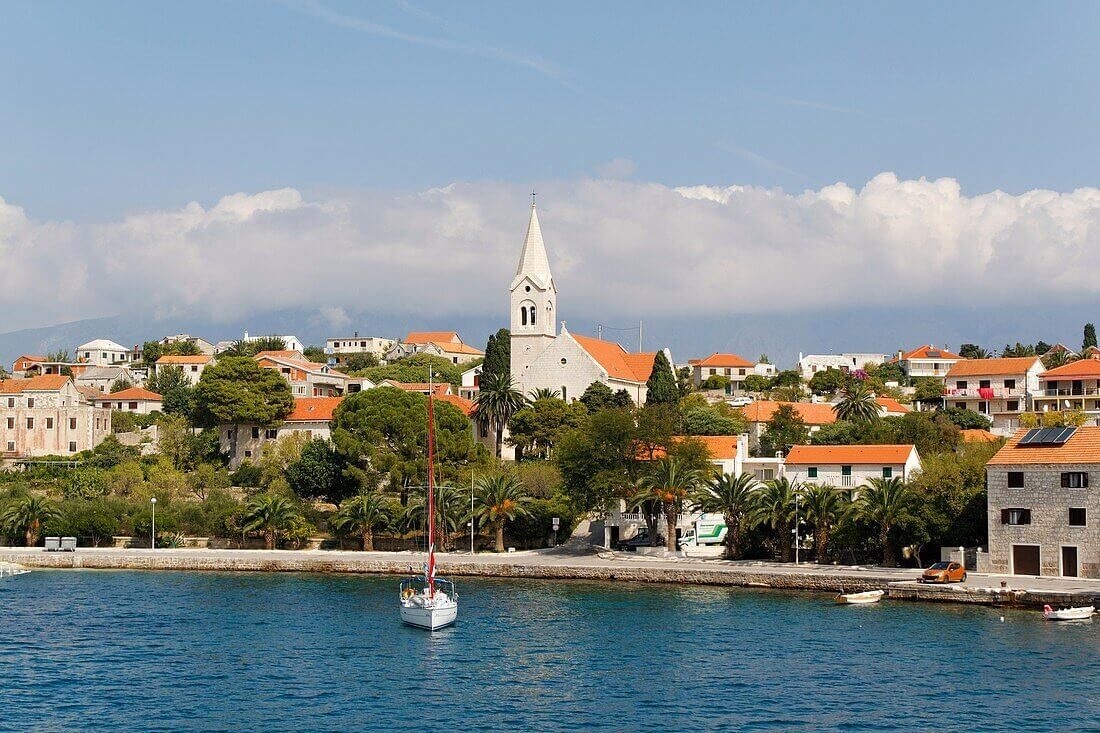
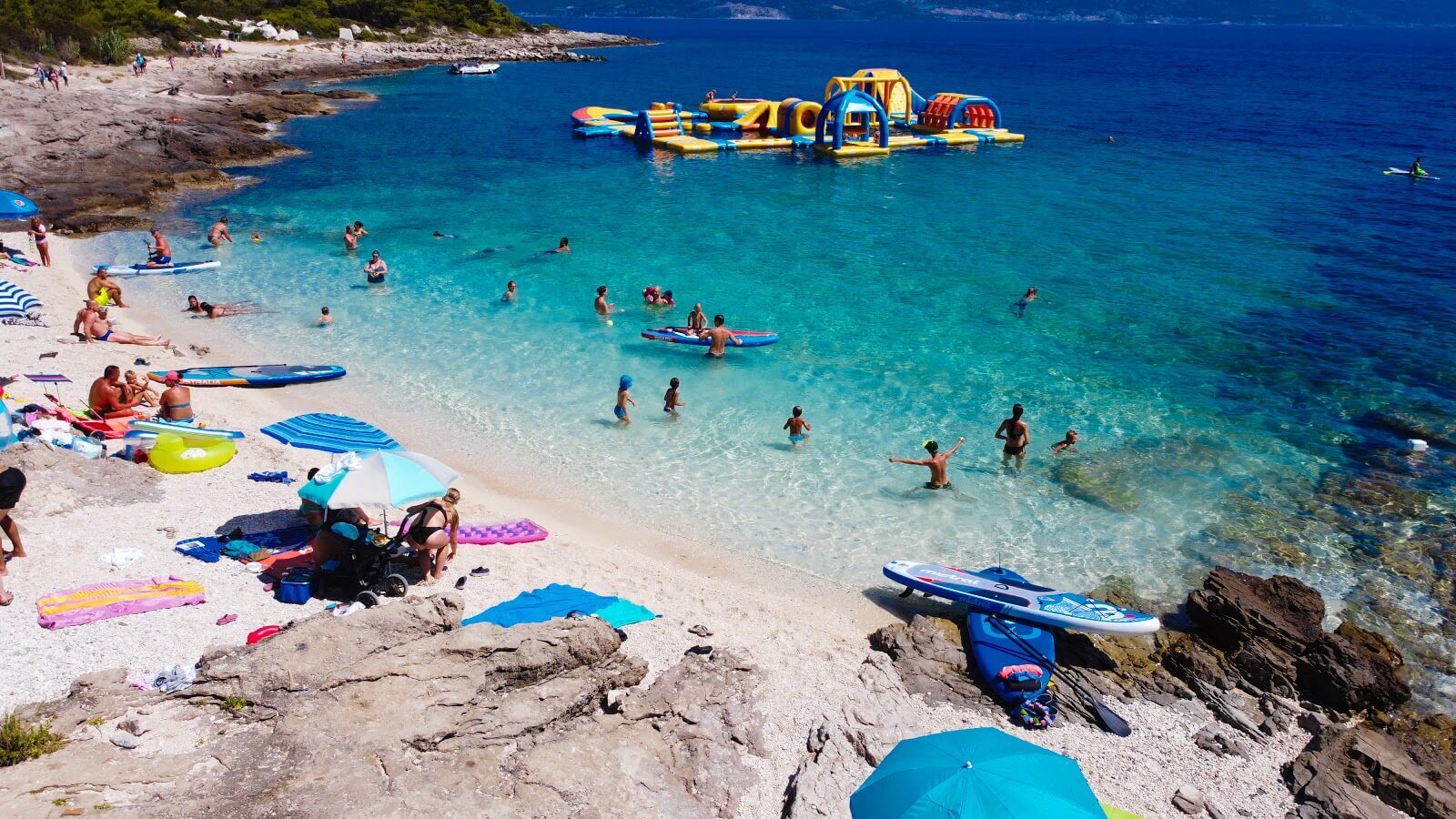
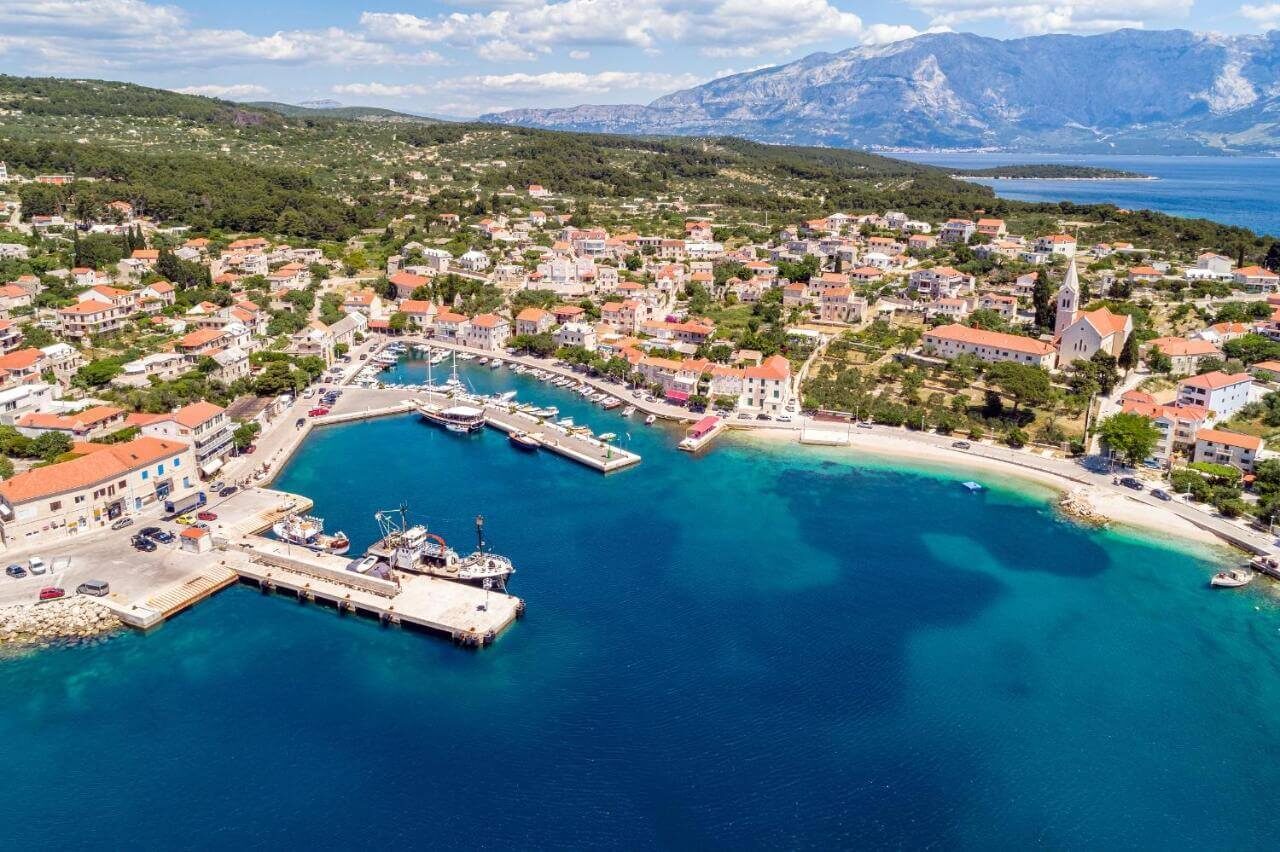
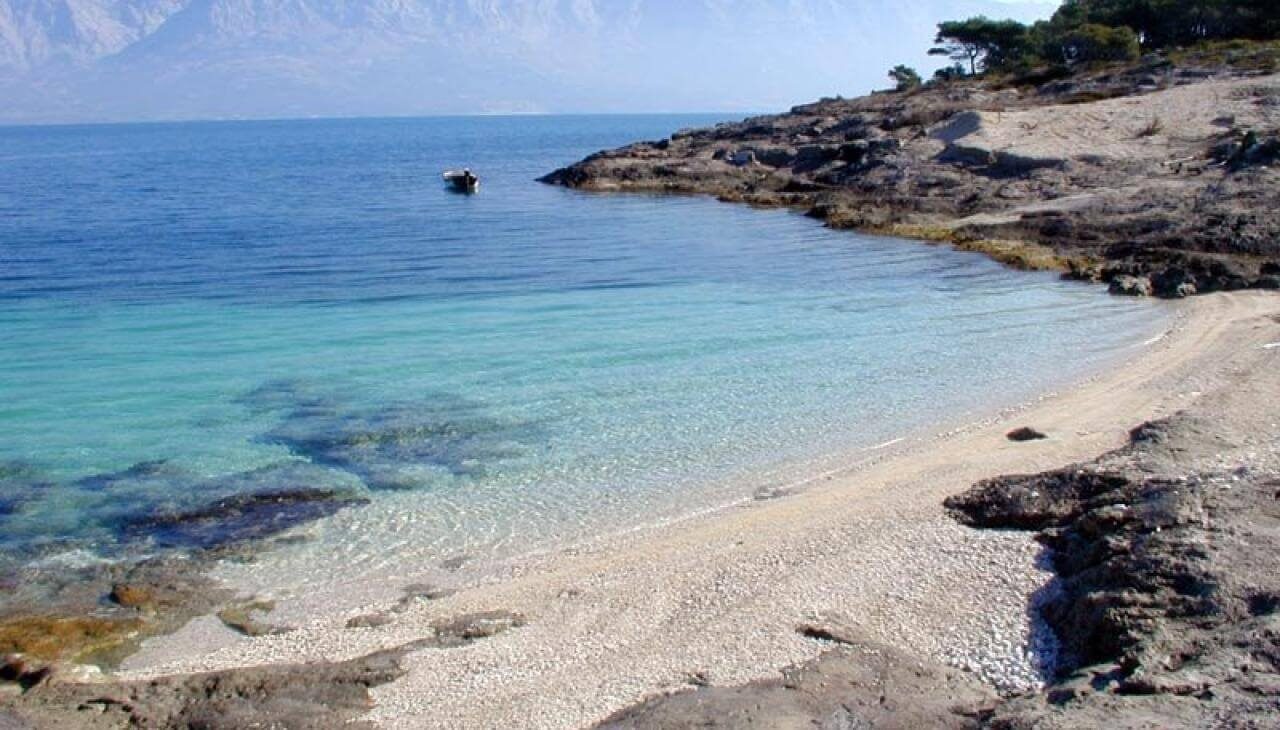
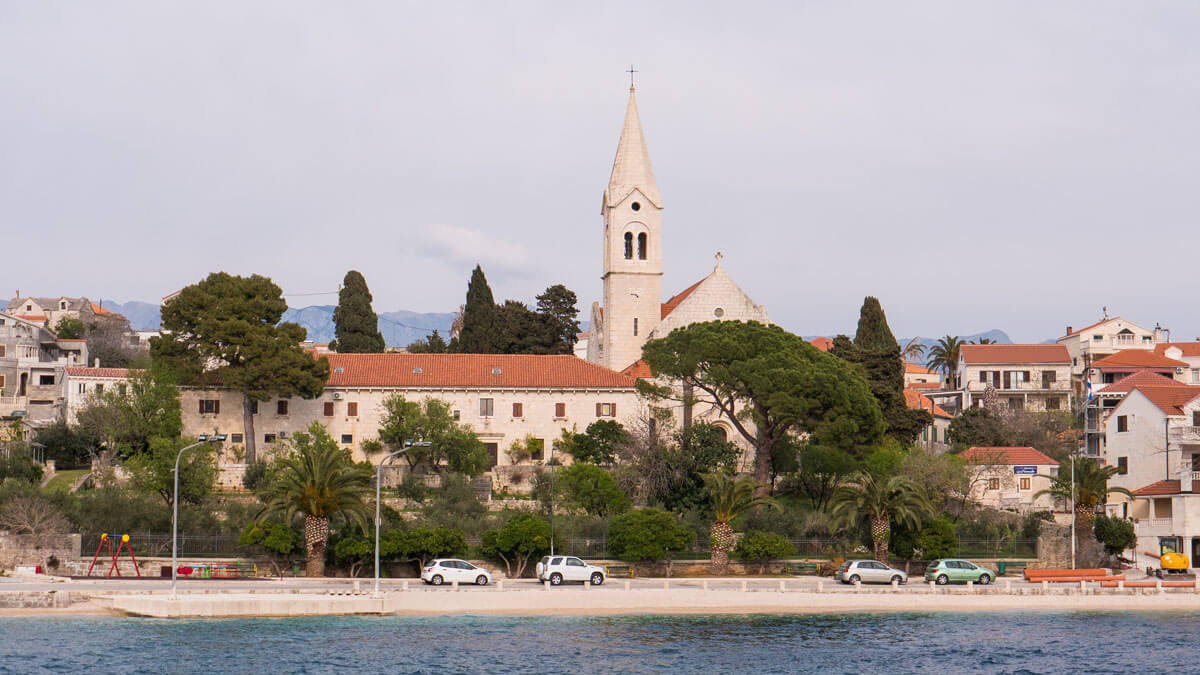
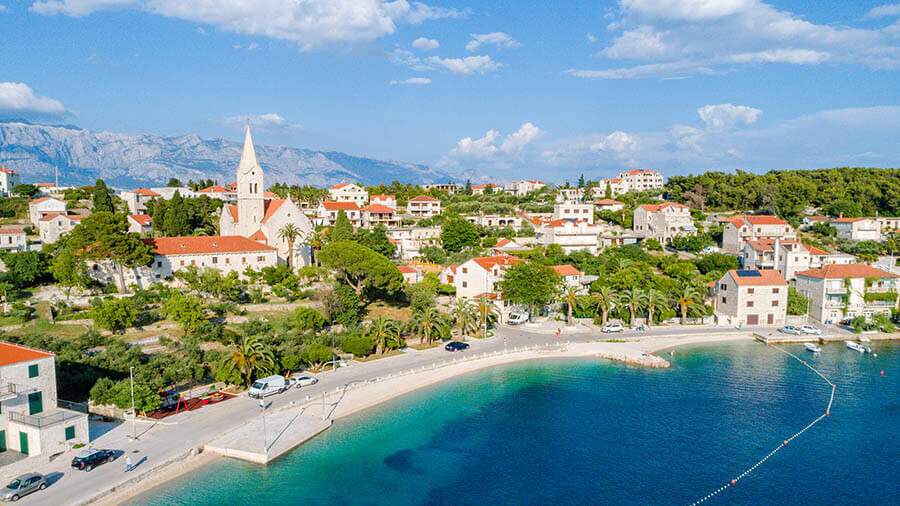
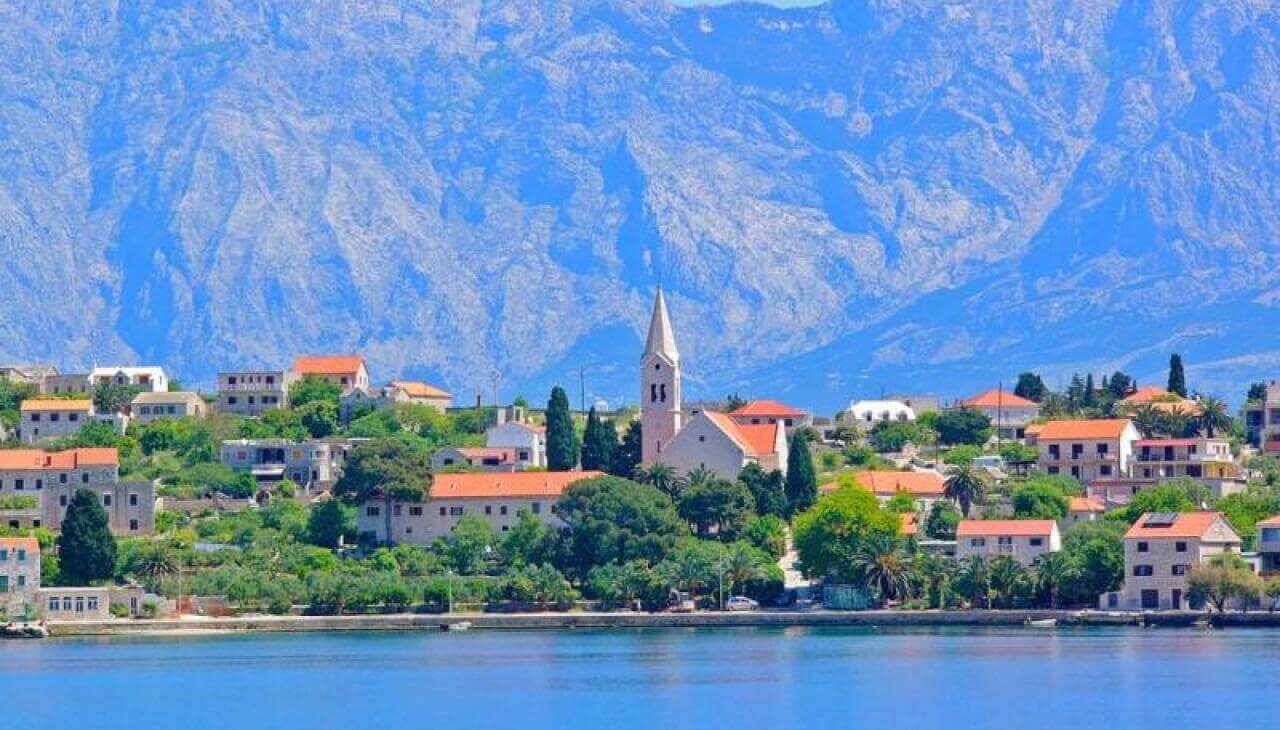
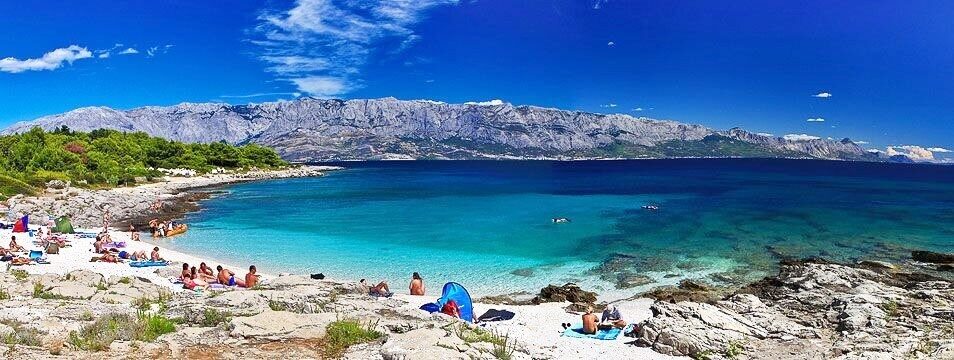
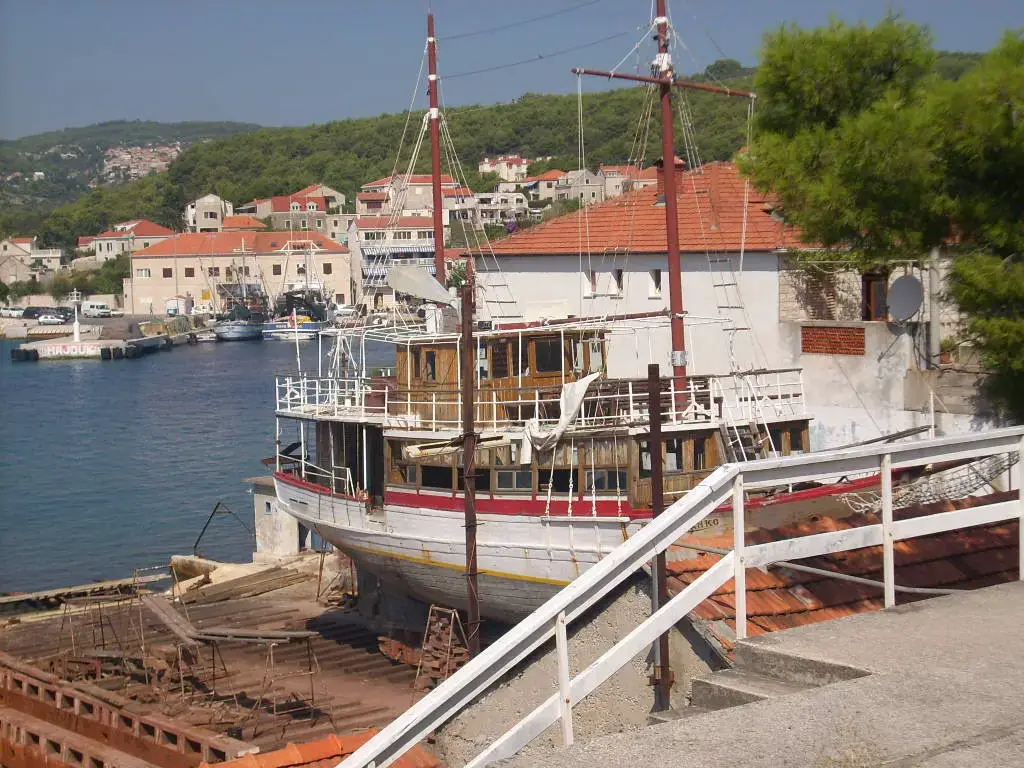
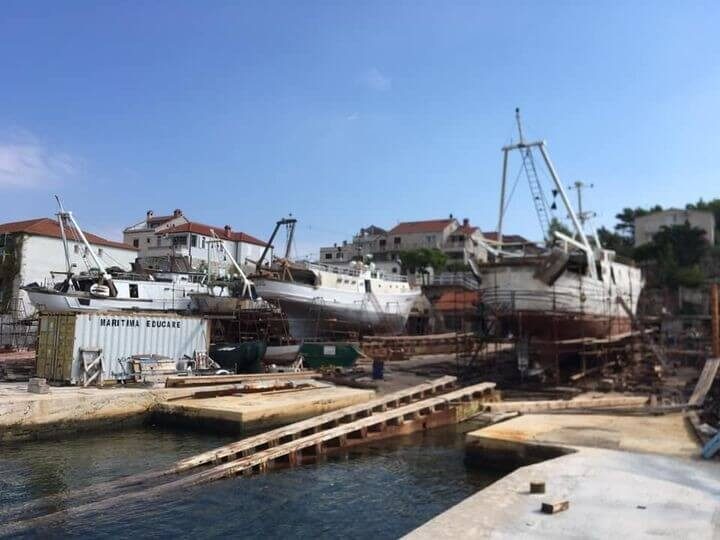
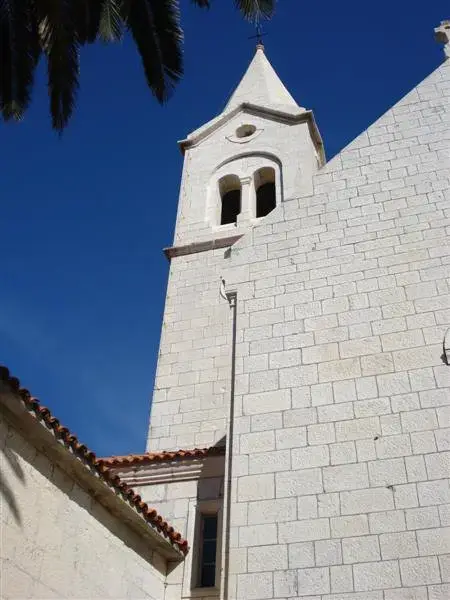
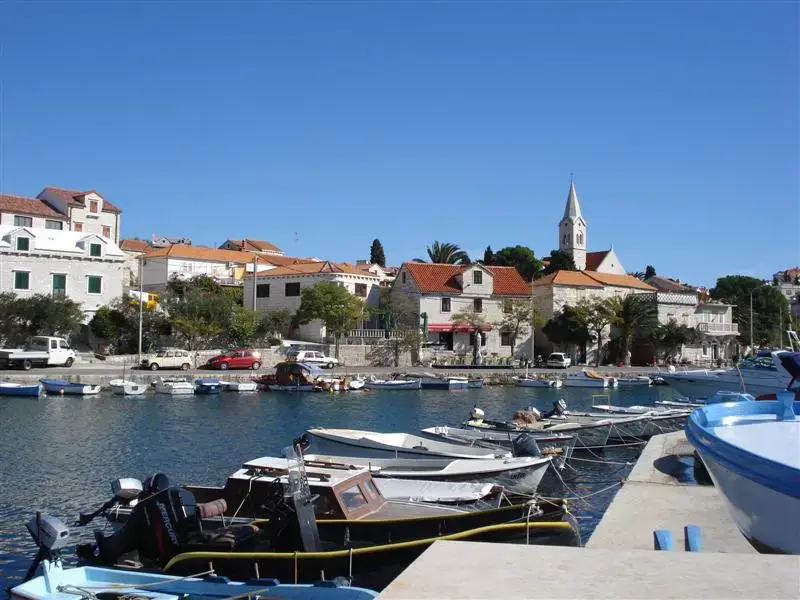
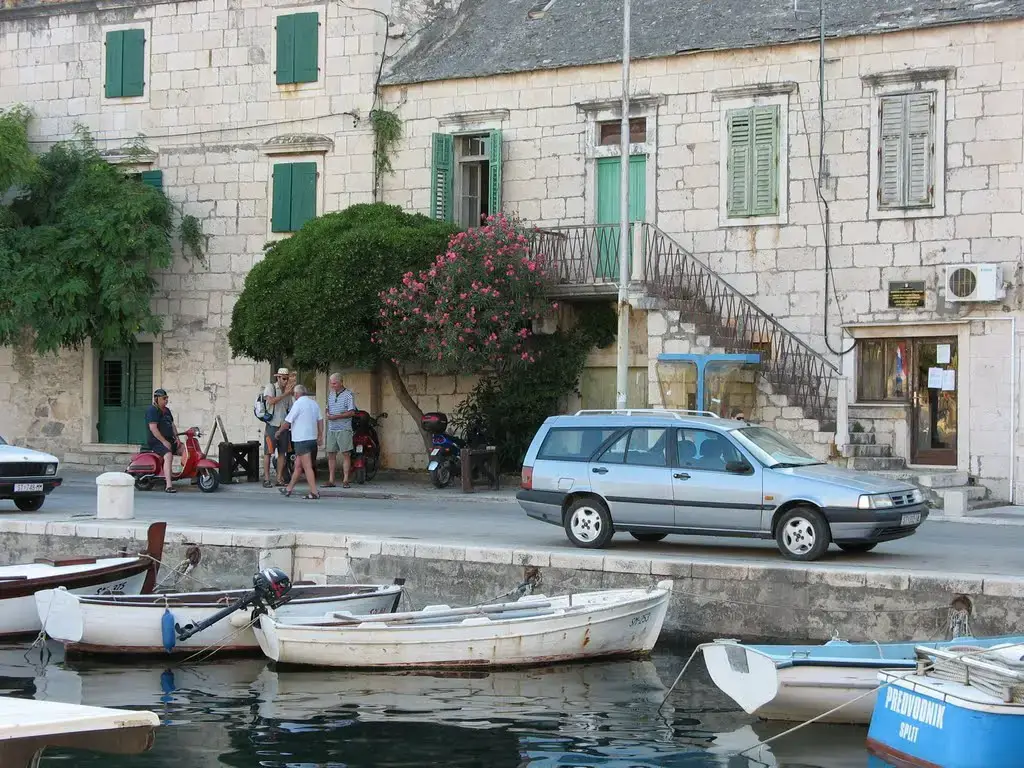
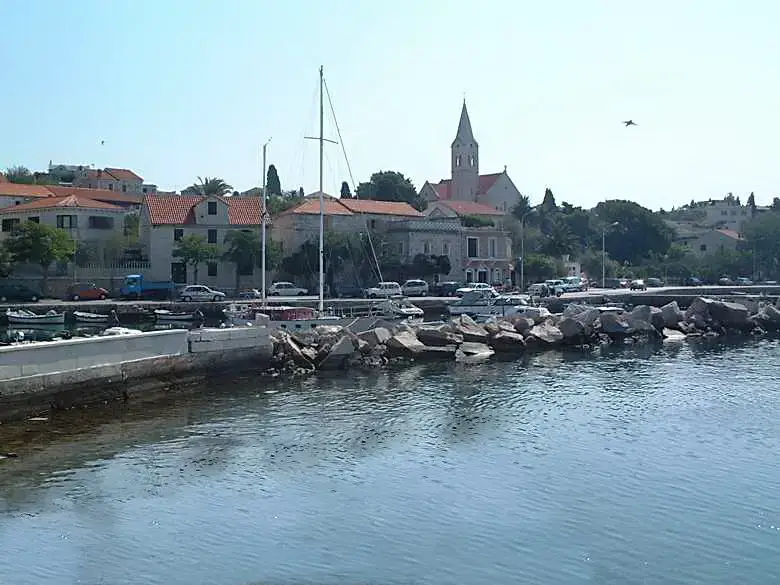
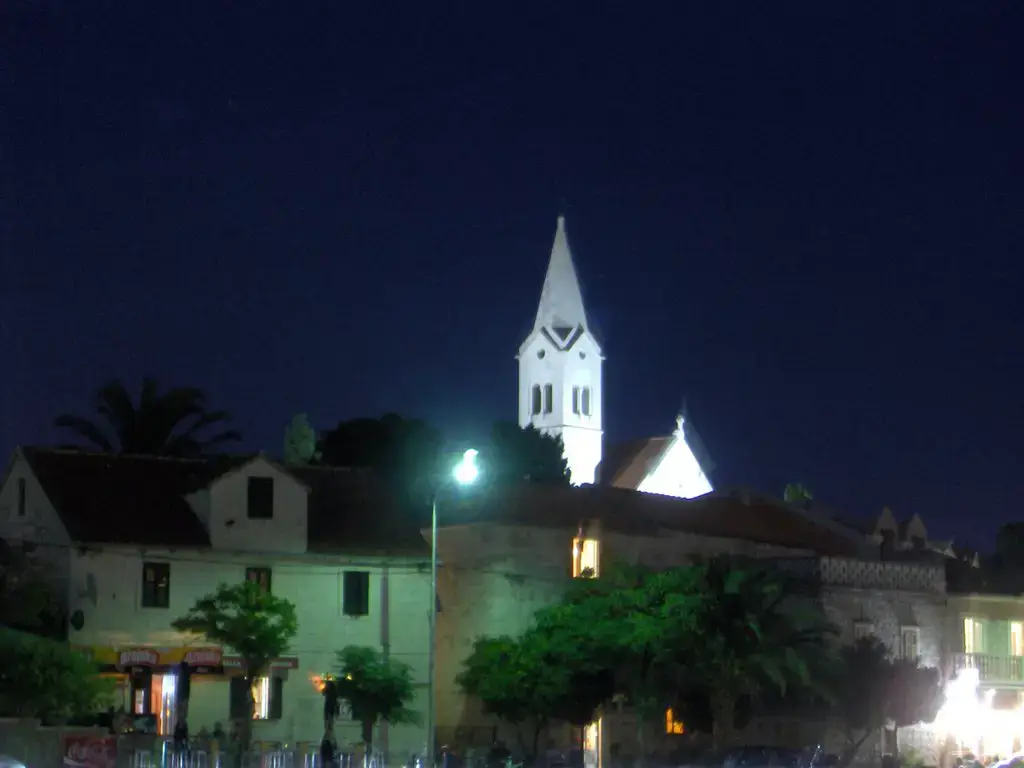
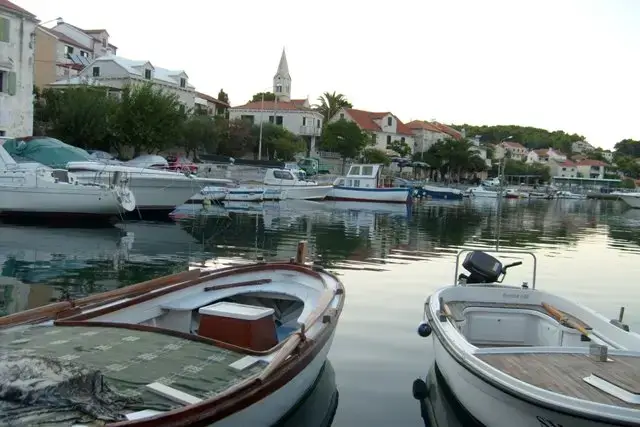
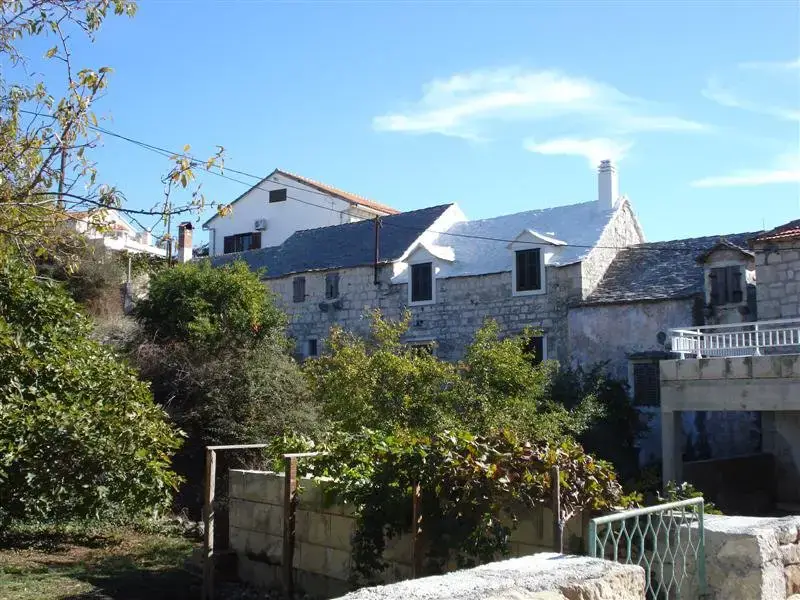
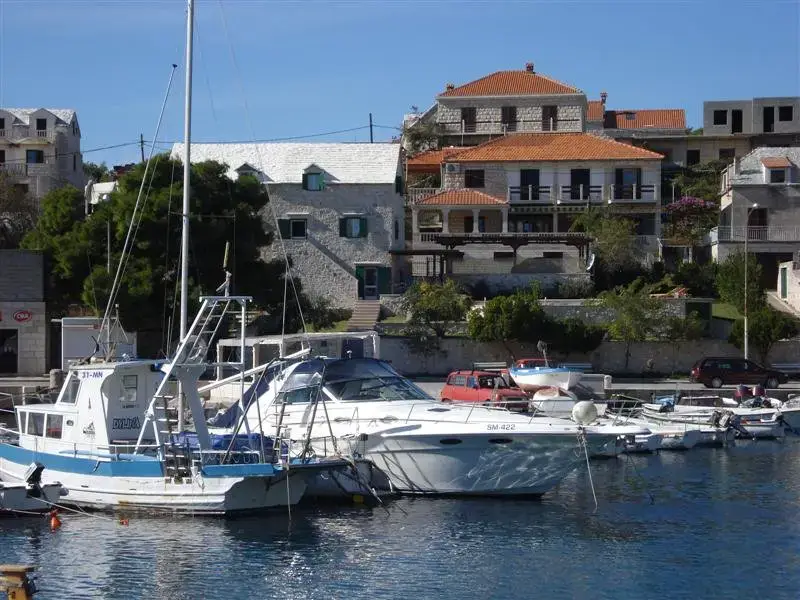
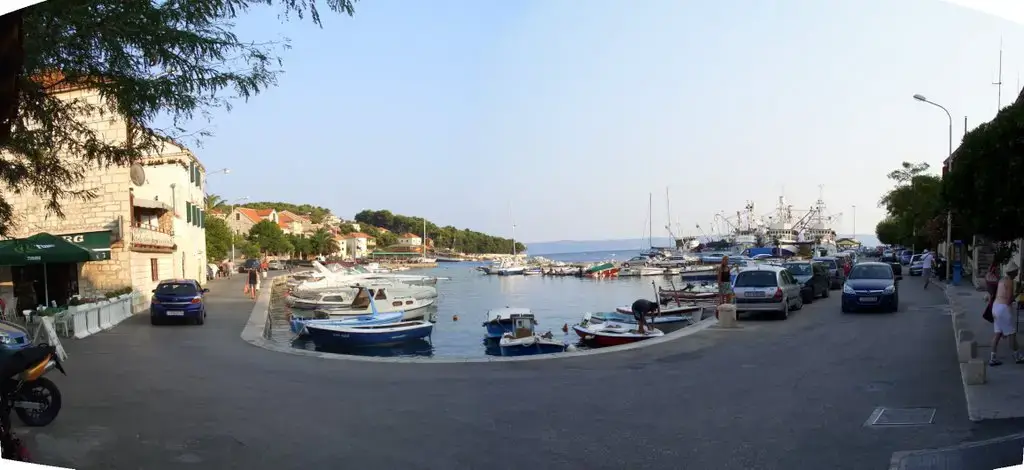
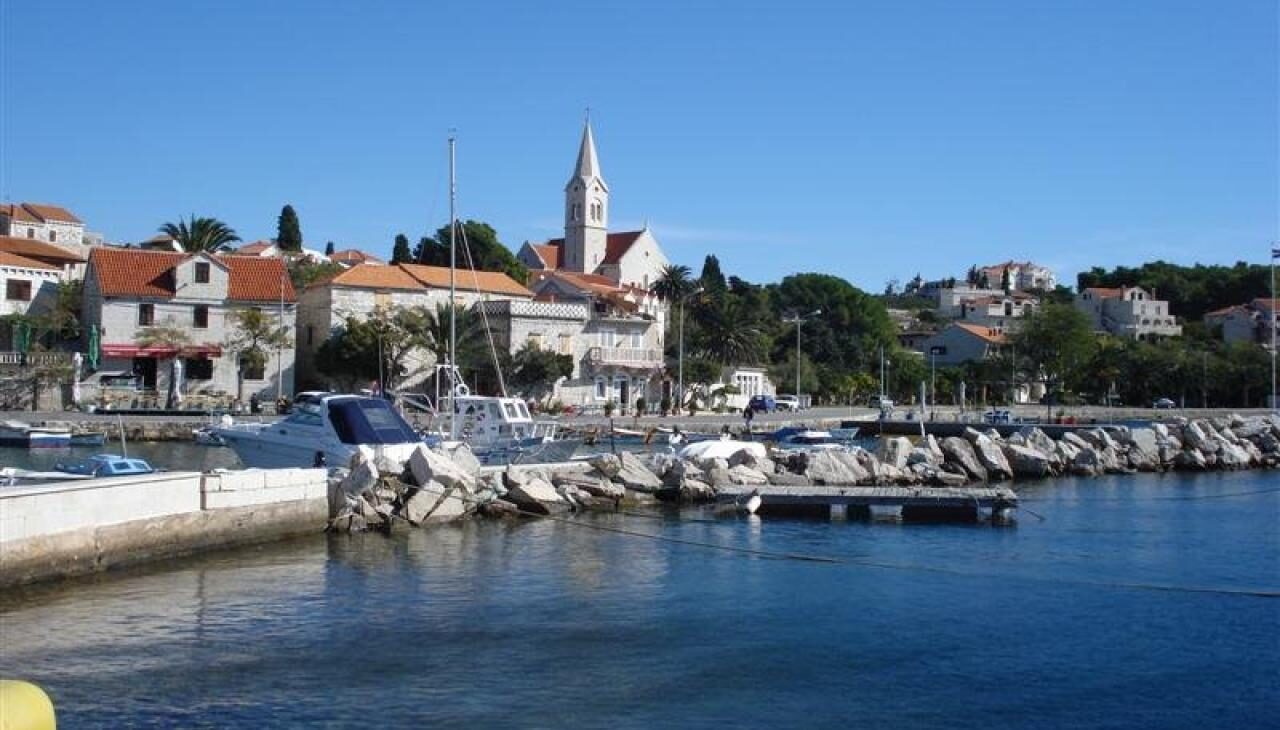
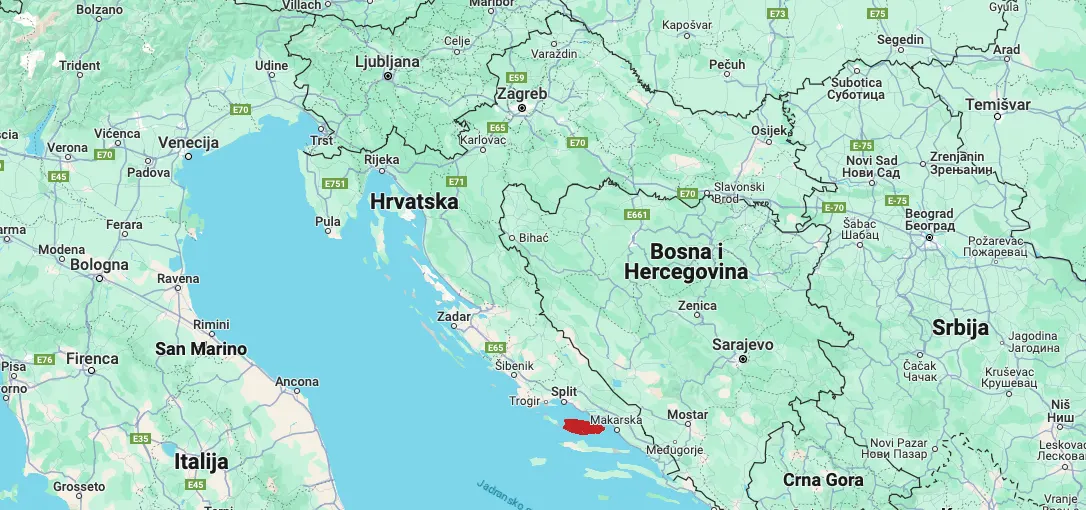
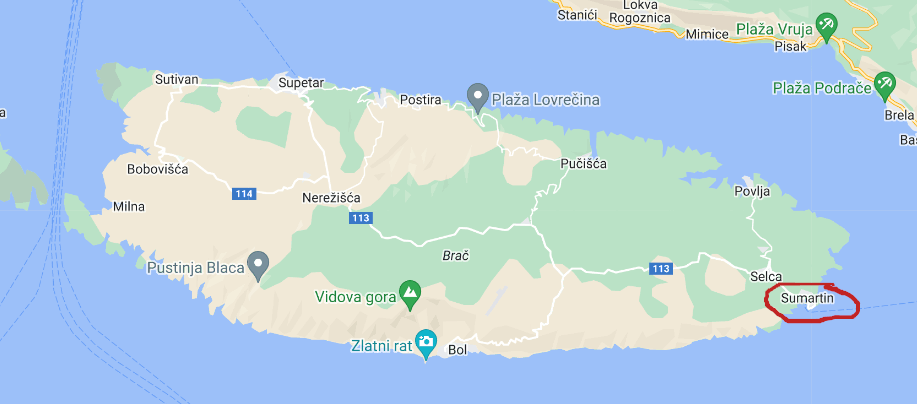
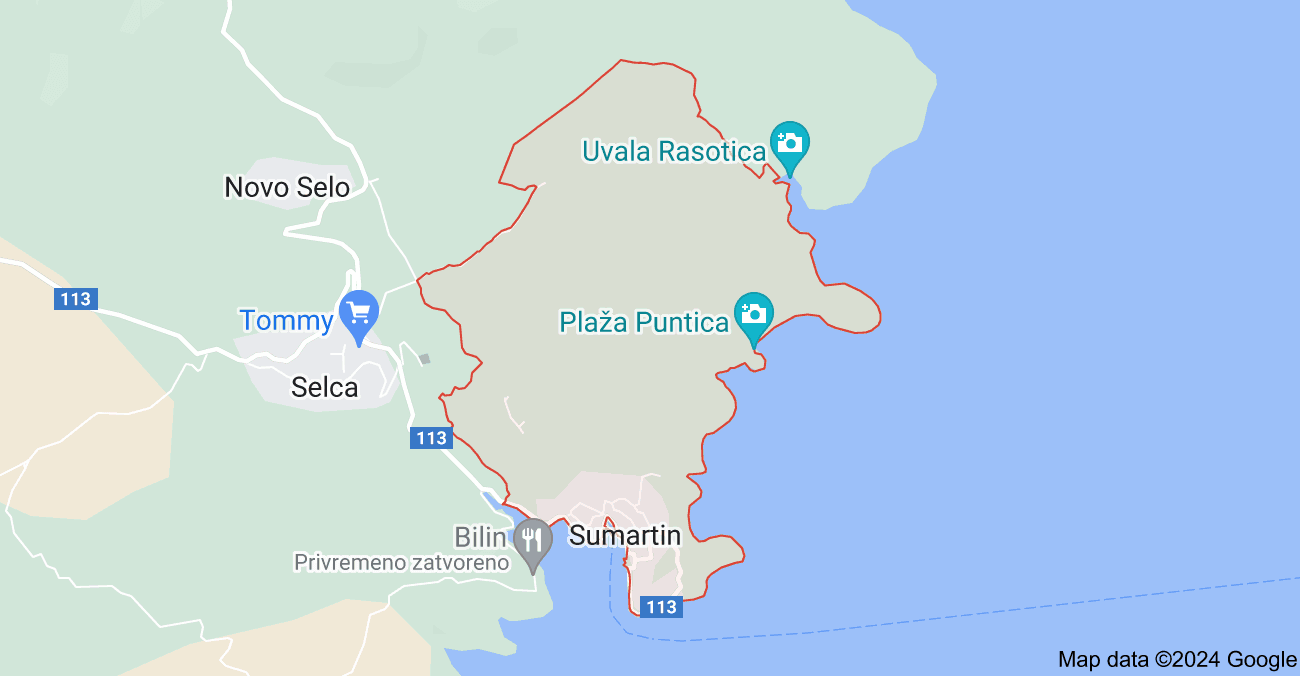
is a port village in Croatia on the island of Brač. It is the youngest village on the island of Brač and administratively belongs to Municipality of Selca. According to 2011 census, it has a population of 491. Along with Supetar, Sumartin is the only site that is connected to the mainland by ferry. A line from Sumartin to Makarska sails daily. The locals are extremely proud of their long tradition of fishing and shipbuilding. In Sumartin you can find the oldest shipyard on the Adriatic. It is also the hometown of Mario Puratić, the famous inventor who invented the Puretic Power Block, a device that brought revolutionary progress in world fishing in the 1950s. In addition to good connections with the mainland, Sumartin is characterized by numerous beautiful pebble beaches that stretch from the centre of the place to hidden coves. Village was founded on 11 November 1646 - the feast day of Saint Martin - by the refugees from the Dalmatian coast and Bosnia and Herzegovina who fled from the Ottomans. It is connected by the D113 highway and by ferry. Sumartin was established at the time of Cretan War (1645–69), also known as the War of Candia, in 1646. when a group of Franciscan friars accompanied by a number of refugees reached the easternmost tip of the island of Brač by boats as they were fleeing from Makarska Riviera due to Ottoman raids. The newly formed village was established around the already existing abandoned small church of St. Martin which had been previously damaged but repaired by the refugees upon their arrival. As the settlement was growing in size, Franciscan friars decided to stay and began receiving more lands encouraged by Venetian military officer Leonardo Foscolo who endowed them by special document which highlights their merits. Meanwhile, local population gained momentum in developing and expanding their settlement by cultivating surrounding fields and vineyards. The development of the settlement can be noticed in the church visitations which mention the following number of inhabitants of the settlement over the course of several decades: 104 in 1678; 200 in 1702, 300 in 1712, 352 in 1760 and finally 370 in 1764. Population continued to grow until 1784 when a plague stroke the village halving the number of inhabitants. Meanwhile, in 1738 the monastic choir in Sinj declared monastic community of Sumartin as the real monastery. This act influenced the further development of the newly formed village and the desires to build a large enough building which would serve as a monastery were growing bigger. The construction finally commenced in 1747 as the foundation of Franciscan friary was laid down by a famous Croatian poet fra Andrija Kačić Miošić. Monastery was erected at the same place where the small medieval church of St. Martin was located. Since he was a monk himself, Andrija Kačić Miošić spent several years of his life in Sumartin (1745-1750).
Gallery
set of images
- All
- Sumartin
- Mario Puratic